
Asbestos was fully banned in the UK in November 1999, when white asbestos (chrysotile) was outlawed; the ban on blue and brown asbestos had already come in 1985. So any London home built or refurbished before 2000 could contain it, and homes worked on between the 1950s and the 1980s are the most likely.
Key facts from our London job records
- Blue and brown asbestos were banned in the UK in 1985. White asbestos, the last type in use, was banned in November 1999.
- A London home built or refitted before 2000 may well contain asbestos. The peak years for use in housing were roughly the 1950s to the 1980s.
- Banned does not mean removed: asbestos already fitted was allowed to stay.
- Our most common London removals are garage roofs (single garage typically £575 + VAT, 59 jobs) and textured ceilings (typically £1,140 + VAT, 37 jobs).
Source: our own completed London jobs. Prices shown + VAT.
The ban stopped new asbestos being used. It didn't require existing asbestos to be removed, which is why it still turns up in so many London properties.
A short timeline
| Year | What changed |
|---|---|
| 1930s–1960s | Asbestos cement used widely for garages, sheds, roofs, tanks and pipes |
| 1960s–1980s | Peak use in homes: textured coatings, floor tiles, insulating board |
| 1985 | Blue and brown asbestos banned |
| 1999 | White asbestos banned, ending new use of all types |
| Mid-2000s onwards | Duty to manage asbestos in non-domestic buildings, including common parts of flats |
Which London homes are most likely to have asbestos?
Age is the first clue, but London's housing has been altered so often that the build date only tells part of the story.
Victorian and Edwardian terraces. The houses themselves predate asbestos, but most were modernised between the 1950s and the 1980s. That's when textured ceilings, floor tiles under lino, cement water tanks in the loft and boarding around boilers and fuse boxes were added. Rear outhouses and sheds often got cement sheet roofs at the same time.
Interwar semis and terraces. The suburbs of Harrow, Bexley, Sutton, Enfield and Hillingdon are full of 1930s homes. Many gained a side or rear garage in the 1950s to 70s, very often with a corrugated cement roof. Lock-up garage blocks behind parades and in estate courtyards date from the same years.
Post-war council housing and blocks of flats. Homes built from the late 1940s to the 1970s used asbestos widely: insulating board in ceilings and cupboards, cement panels, flue pipes, floor tiles and textured finishes. Many are now leasehold flats, where the communal parts are managed by the council, a housing association or a private freeholder.
Conversions. A Victorian house split into flats in the 1970s or 80s could have asbestos in its partition boards, ceilings and floors, even though the building is much older.
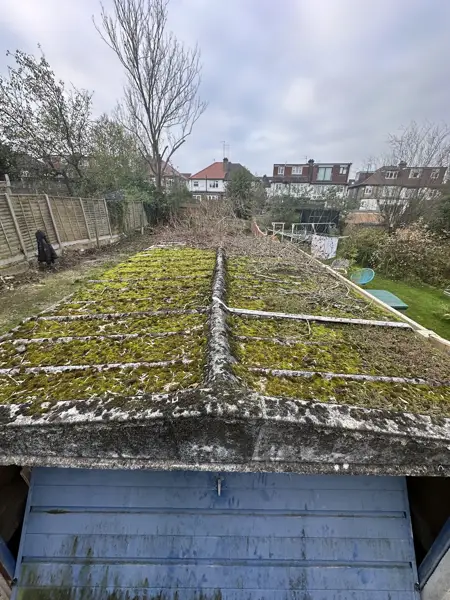
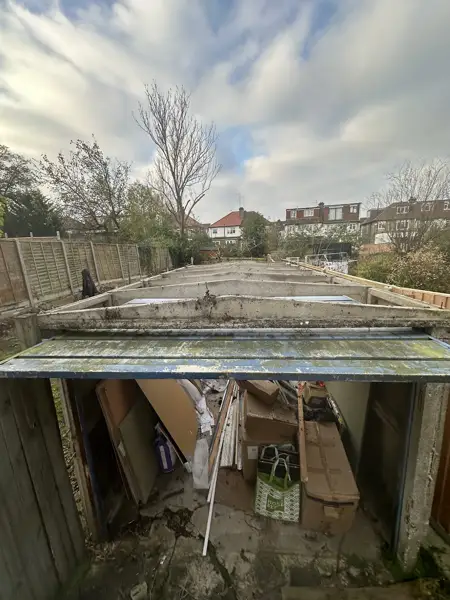 BeforeAfter
Homes built after 2000
A home built from scratch after 2000 shouldn't contain asbestos in its original materials. It's still worth asking about anything reused, such as an older garage or outbuilding kept when the house was rebuilt.
What the ban means for you today
Banned doesn't mean illegal to own. You're allowed to have asbestos in your home, and in good condition it's often best left alone. What the law controls is how it's worked on and disposed of: asbestos waste has to go to a licensed disposal site with a consignment note, and fly-tipping it is a criminal offence.
For London flats, the important change came with the duty to manage. The person in charge of the shared parts of a block must find out whether there's asbestos there, record it and keep it in good condition. If you're a leaseholder, you can ask the managing agent for the block's asbestos register.
Landlords and pre-2000 properties
If you let a pre-2000 flat or house in London, you need to keep tenants safe from hazards, and asbestos is one of them. Most landlords we work with arrange a survey when they buy, then deal with any damaged items before the next tenancy. HMOs bring stricter management duties for the shared parts.
Clues that date your home's fittings
You often don't know exactly when a London property was last refitted, especially in a flat that has changed hands many times. A few clues help:
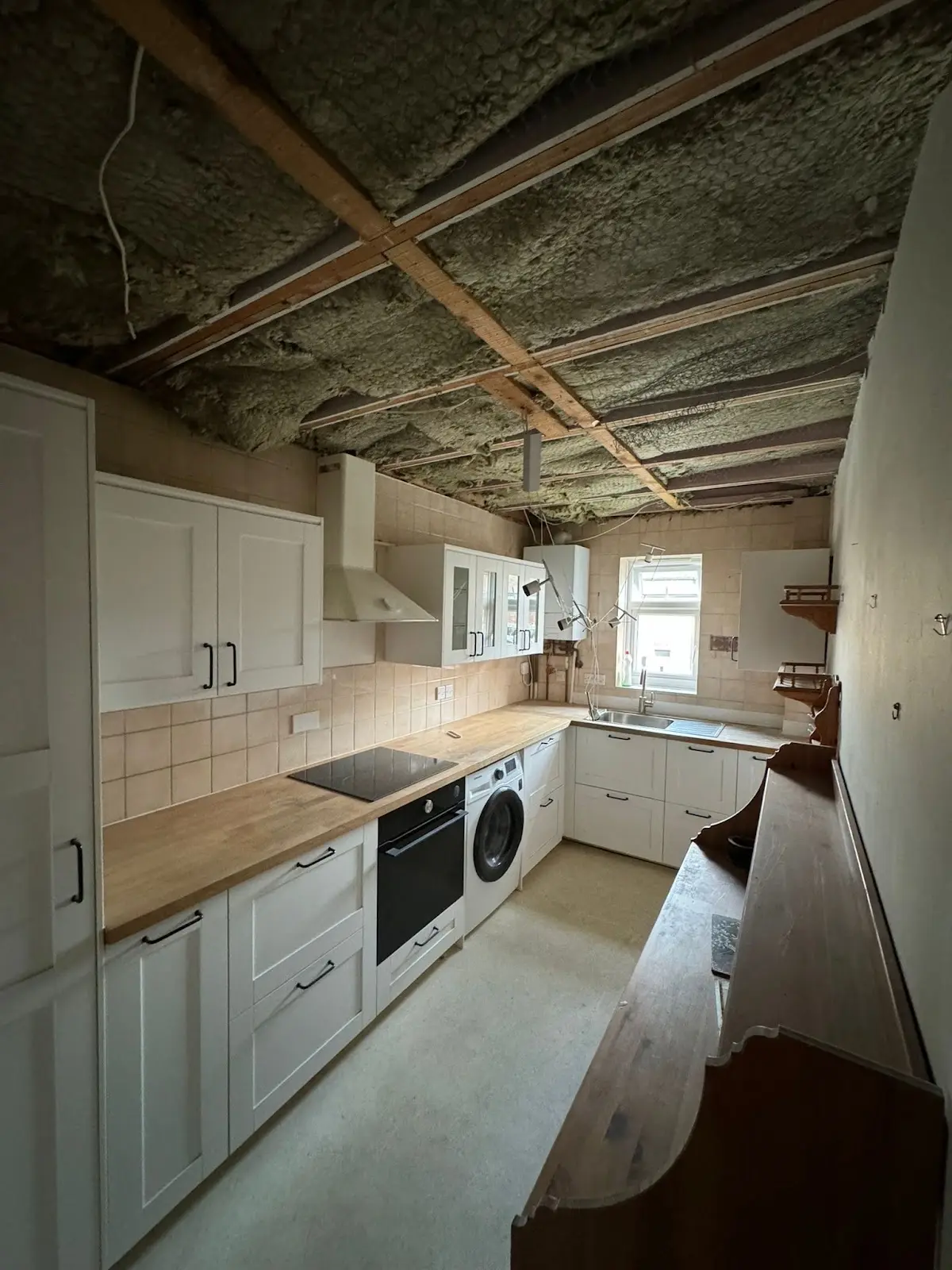
- Textured ceilings with swirls or stipples were most popular from the 1960s to the 1980s.
- Square floor tiles in plain browns, reds, greys or black, especially 9 inches across, usually date from the 1950s to the 1970s.
- Grey cement water tanks in the loft generally predate the plastic tanks that took over from the 1970s.
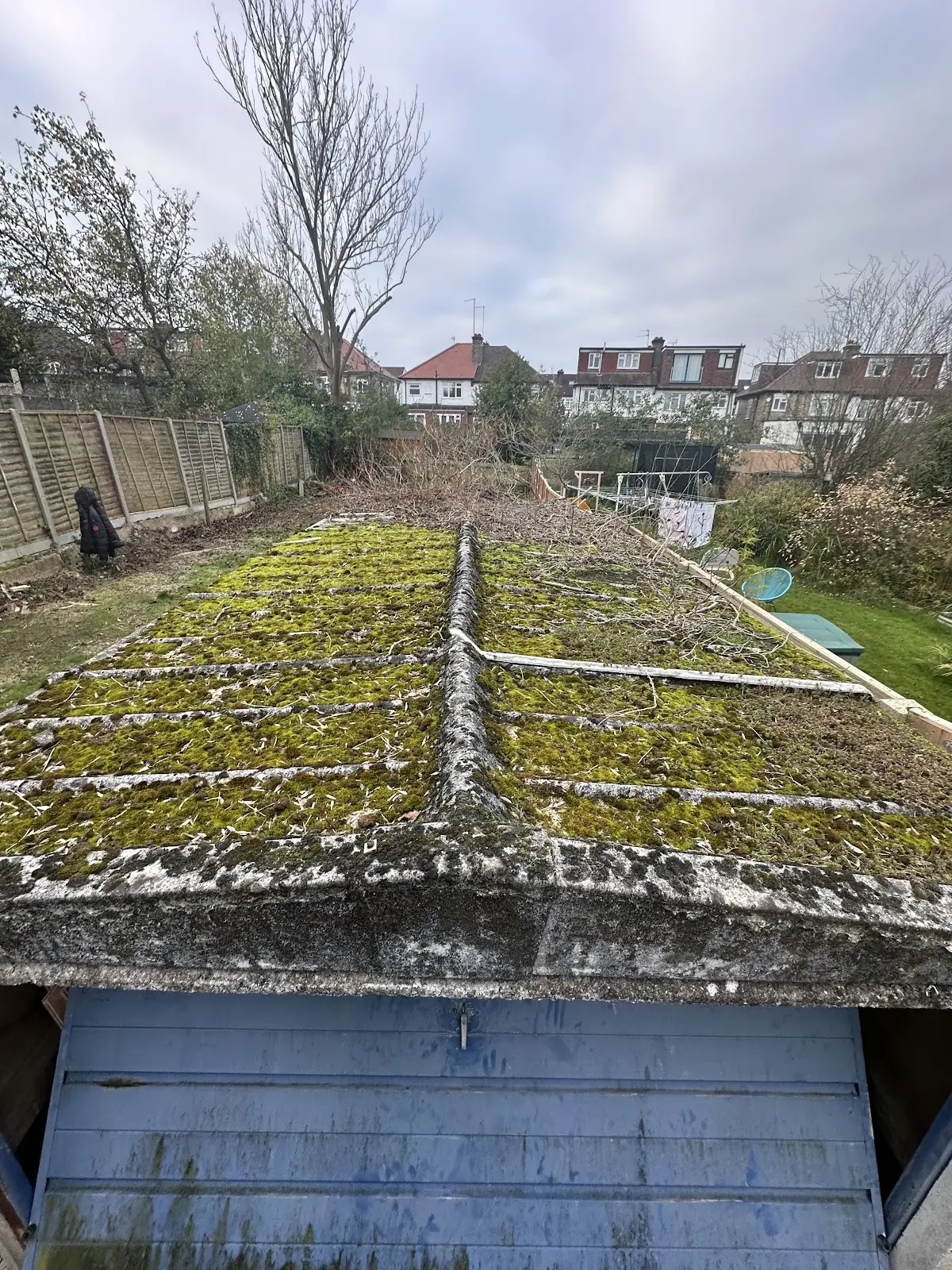
- Corrugated grey garage roofs with heavy moss or lichen have usually been there for several decades.
- Panels behind old storage heaters or around fuse boards are often from the same era as the heaters.
None of these proves asbestos is present, but each one is a reason to test before you drill, sand or remove anything.
What to do next
If your home was built or refitted before 2000 and you're planning work, find out what's there before you start. Our guides on what asbestos looks like and types of asbestos survey will help. If you already know what needs to go, see London asbestos removal prices.
Frequently asked questions
When was asbestos banned in the UK?
The UK banned blue and brown asbestos in 1985. White asbestos, the last type in use, was banned in November 1999.
Can a 1990s house in London contain asbestos?
Yes. White asbestos was still legal until late 1999, and older stock could be used up after that, so homes built or refitted in the 1990s can contain it.
Is it illegal to have asbestos in my home?
No. It's legal to have asbestos in your home. The law controls how it's removed and disposed of, not whether you can own a property that contains it.
Does my Victorian terrace have asbestos?
The original building won't, but most terraces were modernised between the 1950s and the 1980s, when asbestos ceilings, floor tiles, tanks and boards were commonly added.
Who is responsible for asbestos in the common parts of my block?
The freeholder or whoever manages the building. They have a duty to identify and manage asbestos in shared areas, and can share the asbestos register with leaseholders.
Service page: All our London asbestos services
Prices: every London price table · Areas: all 32 boroughs